
South Sudan is at a critical crossroads. Recent reshuffles within the government and ruling party have sparked widespread public reaction. As citizens, we must now ask ourselves: Are these responses shaped by rational thought, or are they rooted in emotional distress and tribal affiliations?
In functional democracies, government reshuffles are expected—they reflect new strategies, evolving priorities, and the pursuit of national progress. However, the South Sudanese public must reflect critically: Do these changes indicate a clear vision, or are they merely reactive and unplanned? It is our responsibility to observe and question what these changes truly mean for the future of our country.
We must also confront a hard truth:
Has the ruling party already overstayed its time in power?
For over two decades, South Sudan has been under the same political leadership. During this time, the country has faced ongoing conflict, underdevelopment, and a lack of essential public services. What tangible progress has been delivered to the citizens? What lasting change has been achieved?
A true democracy is built on term limits, regular elections, and leadership that serves—not rules. The continued grip on power by one party raises questions about political accountability, national unity, and the direction in which our country is headed.
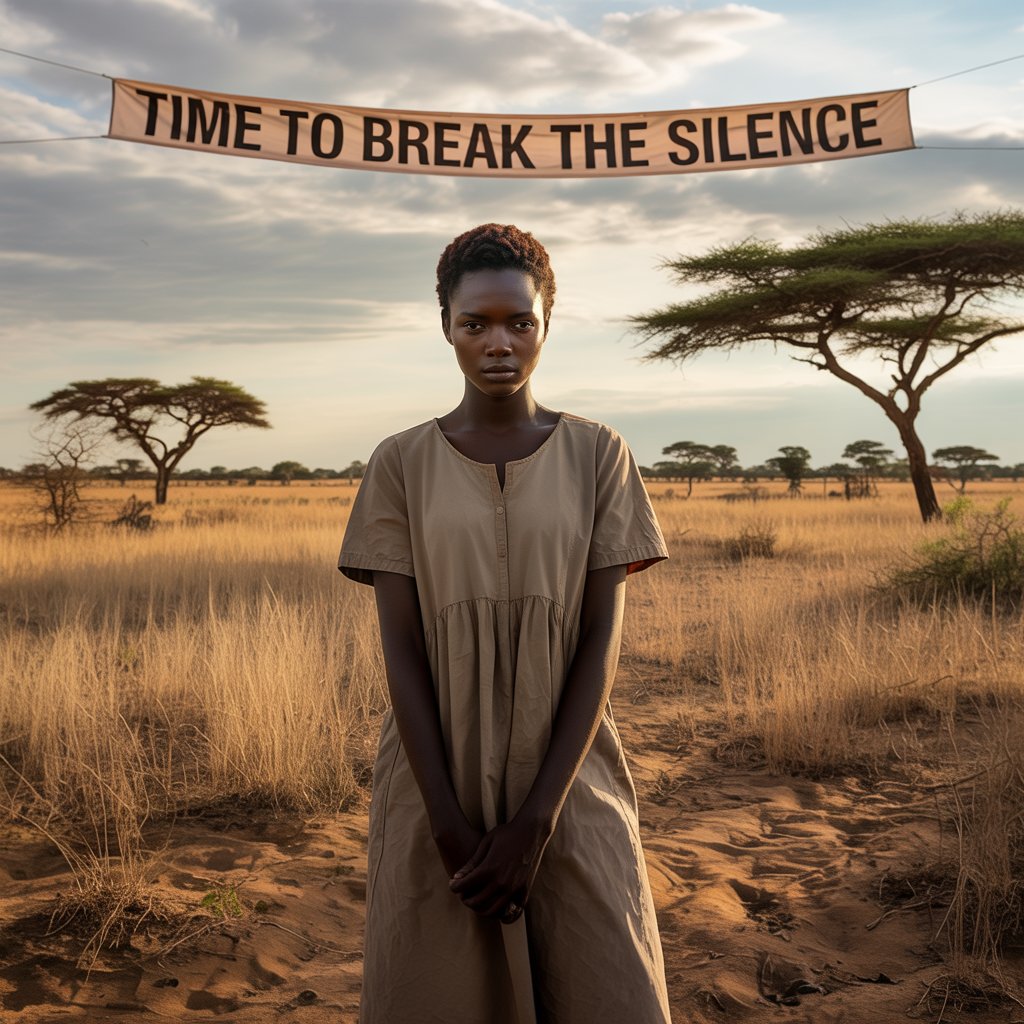
The future of South Sudan depends on its people—on citizens who are informed, courageous, and willing to demand better. The time for silence is over. Let us reject fear, division, and stagnation. Let us embrace unity, critical thinking, and peaceful advocacy for meaningful change.
South Sudan deserves a government that listens, represents, and delivers. A leadership that earns its place—not assumes it.
The time to speak—and act—is now.
Leave a Reply