
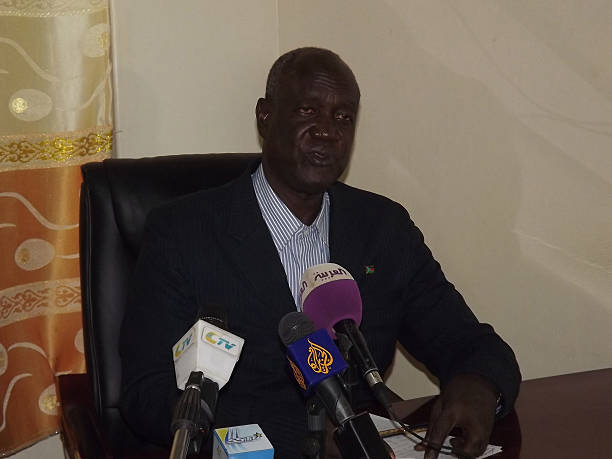
By Ernest Ogwaro. The leader of united Labour Party of South Sudan.
First, the idea that struggling citizens should resort to eating frogs or dogs risks sounding like a justification of poverty, rather than a commitment to solving it. A government’s role isn’t to normalize survival tactics—it’s to reduce the need for them in the first place. When leaders frame extreme hardship as something people should adapt to, it can come across as detached from reality and dismissive of citizens’ dignity.
Second, there’s a clear question of fairness and credibility. When someone like Kuol Manyang Juuk suggests that the poor should cope with scarcity in such ways, it naturally raises concerns about inequality:
• If ordinary people are expected to survive on whatever they can find, what responsibility do leaders have to ensure food security?
• Why are such conditions still widespread under their watch?
That leads directly to the question of personal wealth and privilege. It’s reasonable to ask:
• How did he, and others in power, accumulate their wealth and stability in a country where many lack basic necessities?
• Are there transparent records showing that wealth was earned legitimately and ethically?
• What concrete actions have been taken by leadership to address hunger, beyond commentary?
These aren’t personal attacks—they’re valid public accountability questions. In any country facing hardship, leaders are expected to demonstrate not just awareness, but active responsibility and transparency. Without that, statements like these risk deepening public frustration and mistrust.
Leave a Reply